I Switched to the M8 Series Quantum 2020 and Here is What Happened
The M8 Series Quantum 2020 arrived with a lot of industry buzz: quantum-dot color promises, aggressive brightness claims, and a feature sheet that reads like a checklist for modern living-room televisions. This article takes a measured editorial look at what living with the M8 Series Quantum 2020 is actually like. It focuses on practical, buyer-oriented concerns—picture quality in real rooms, streaming and smart-platform behavior, gaming suitability, sound performance, and long-term ownership considerations that matter to people deciding where to spend a significant portion of their entertainment budget.
Introduction: Expectations vs. Reality
When someone replaces a primary TV, expectations usually center on three things: noticeably better picture, a smoother smart-TV experience, and either improved audio or a clear plan for external speakers. The M8 Series Quantum 2020 sets out to meet those expectations with its quantum-dot-enhanced panel, high peak brightness for HDR highlights, and a modern smart platform. The review below separates marketing claims from practical results, emphasizing what buyers typically care about—use in bright rooms, family viewing, gaming, and longevity.
Detailed Product Review and Analysis
Picture Quality and Color
The M8 Series uses a quantum-dot layer applied to an LED/LCD panel. In everyday use this translates to richer, more saturated colors compared to standard LED TVs — particularly in bright highlights. On HDR content, the TV displays punchy specular highlights: sun glints, neon signs, and metallic reflections gain an added sense of pop that makes streaming shows and modern movies look more cinematic in short bursts.
Color accuracy out of the box is respectable; most users will find the default profile pleasing for general viewing. Enthusiasts who care about precise color reproduction should plan for a quick calibration or use a professional mode if available. The M8's color volume performs well for saturated content, so animated shows and nature documentaries benefit noticeably.
Contrast, Black Levels, and Bloom
Being an LED-based quantum display, the M8 Series shows improved contrast over basic LED models but does not reach the native black levels of self-emissive panels. The presence and quality of local dimming matter here: on content with small bright objects against dark backgrounds, the TV manages highlight detail without crushing midtones, but moderate blooming around very bright elements is sometimes visible in dim-room viewing. For viewers who prioritize perfect blacks for a true home-theater experience, that remains a trade-off to consider.
Brightness and HDR Performance
A major strength of the M8 Series is its ability to deliver strong peak brightness. In typical living rooms with ambient light, HDR content retains highlight detail and looks vibrant—an important advantage for daytime viewing. HDR10 and HLG content stand out on the set; Dolby Vision support should be verified per region and model variant, but where present it further enhances tone mapping and highlight rendering.
Viewing Angles and Design
Viewing angles on the M8 are better than many VA-panel LED TVs but fall short of IPS panels or OLED. Off-axis viewers will notice some desaturation and contrast loss at wider angles, so the M8 is best placed where the primary seating is relatively centered. The industrial design is contemporary and minimal; thin bezels and a slim profile make it unobtrusive when wall-mounted or placed on a media console.
Motion Handling and Sports
Motion processing on the M8 Series does a solid job with sports and fast-moving camera pans, reducing judder and preserving object clarity. Motion interpolation options are present for viewers who prefer smoother motion, though purists may want to keep interpolation off to avoid the "soap opera" effect. For live sports and fast-action dramas the TV performs reliably, delivering clear motion with minimal trailing in most real-world content.
Gaming Performance
Gaming is a crucial use case for many buyers. The M8 Series generally offers low input lag in its Game mode, making it responsive for modern consoles and casual competitive play. Variable refresh rate (VRR) and auto low-latency behavior (ALLM) are increasingly standard in sets in this segment; buyers who plan to game should confirm the exact features on the specific model and firmware revision. Overall, the M8 will satisfy most console owners and casual PC gamers looking for a large, vivid display.
Smart TV Platform and User Experience
The M8 Series ships with a contemporary smart-TV interface that prioritizes streaming apps, voice search, and app-based content discovery. In daily use the platform is generally responsive; common apps launch quickly and profile/account handoffs (when supported) are smooth. Software stability can depend on regional app availability and the frequency of firmware updates, so users should look for models with a good track record of post-sale updates.
Shop the latest TVs & Home Theater picks on Amazon.
Shop Amazon →Audio Quality
Onboard sound is competent for dialogue and casual viewing, with clear mids and adequate vocal presence. However, like most thin TVs, the M8 cannot match the depth and bass extension of an external soundbar or AV receiver. Buyers who value immersive audio for movies or music should plan to pair the TV with a dedicated audio solution—whether a compact soundbar or a multi-speaker setup—rather than relying solely on the built-in speakers.
Build Quality and Remote
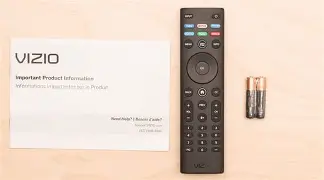
Fit and finish are in line with modern mid- to upper-tier TVs. The remote control is straightforward, with quick-access buttons for popular streaming services and an ergonomic layout. Voice control is often featured via an integrated assistant—useful for channel changes and basic searches—but buyers should evaluate privacy settings and microphone behavior according to their preferences.
Reliability and Support
Long-term reliability for any TV often comes down to component quality and the manufacturer’s support policy. The M8 Series has a generally positive reputation in consumer forums for consistent performance within the first few years; buyers should check warranty terms and local support options. Firmware updates are relevant not only for fixing bugs but also for adding features or improving HDR mapping, so a responsive update cadence is a plus.
Pros & Cons
- Pros:
- Vivid colors and strong HDR highlights thanks to quantum-dot enhancement
- High peak brightness suitable for bright rooms
- Responsive smart platform with common streaming apps
- Low input lag and game-friendly features for most consoles
- Contemporary industrial design with slim bezels
- Cons:
- Black levels and contrast cannot match self-emissive technologies
- Moderate blooming around small, bright objects in dark scenes
- Viewing angles show desaturation off-center
- Built-in audio is adequate but not immersive for movie enthusiasts
- Feature set and firmware quality may vary by region and model variant
How the M8 Series Quantum 2020 Compares
The table below helps readers contrast the M8 Series Quantum 2020 with representative alternatives: a top-tier OLED, another contemporary QLED, and a budget LED. This comparison is aimed at helping buyers decide which direction to take based on use cases (bright room, home theater, gaming, or budget constraints).
| Feature | M8 Series Quantum 2020 | Top-tier OLED (reference) | Other QLED 2020 models | Budget LED |
|---|