Cloudsurfer Max Running Shoe Review: Real User Experience After 3 Months
I've been using the Cloudsurfer Max Running Shoe as my primary trainer for the last three months, and this review captures what I actually experienced—day-to-day runs, long weekend miles, treadmill sessions, and a couple of wet-weather outings. I bought these for everyday mileage and recovery runs, expecting a plush ride but still some level of responsiveness. What I found was a mix of thoughtful cushioning, a few frustrating fit quirks, and real-world durability notes that matter if you plan to make these your go-to shoe.
Why I picked the Cloudsurfer Max
Before I talk details, a quick snapshot of my context so you know how to interpret my impressions: I'm 175 lbs (79 kg), usually run 30–40 miles per week, wear a US men’s 9 or women’s equivalent depending on the brand, and tend to favor neutral trainers with a touch of cushion. I ordered the Cloudsurfer Max in my usual size after reading early impressions from other runners and hoping it would fill the slot between soft recovery shoes and more responsive daily trainers.
Overall first impressions
Out of the box the Cloudsurfer Max felt noticeably cushioned—there’s a high stack height and a soft, pillowy midsole that immediately reduces impact on the footstrike. The upper is breathable and feels modern, and the shoe looked like it would be comfortable for long runs. After breaking them in over a few shorter runs in week one, I felt confident bringing them on longer sessions. The ride is not razor-sharp—this is not a tempo racer—but it’s comfortable in a way that invites consistent mileage.
Detailed breakdown
Fit and sizing
In my experience the Cloudsurfer Max fits true to size lengthwise but runs a little narrow in the toe box compared with some other “max cushion” shoes I've owned. I wear thin technical socks; with thicker socks or wider feet I noticed some mild pressure across the forefoot on runs longer than 10 miles. What I appreciated was the heel hold—very secure with minimal slip—though the tongue and lacing system required one extra tweak for an even pressure distribution.
Practical takeaway: if you have a wide forefoot, consider trying a half-size up or testing in-store. For neutral, medium-width feet I found my normal size comfortable after a few runs.
Cushioning and midsole
The midsole is the defining characteristic. It's plush, with a soft initial compression that soaks up impact well—perfect for recovery runs and long easy days. I noticed that at slower paces the cushioning feels luxurious and forgiving; at uptempo efforts the midsole still returns energy, but it’s not snappy like a carbon or highly tuned foam. Over three months (I logged roughly 250–300 miles), the midsole softened a touch as you'd expect but didn't flatten out to a mushy ride.
One caveat: if you enjoy a firm, propulsive toe-off, the Cloudsurfer Max may feel sluggish for fast intervals. I used them for moderate tempo pieces and easy progression runs, and they performed admirably there.
Shop the latest Electronics picks on Amazon.
Browse Now →Ride and responsiveness
What I found was a balanced trade-off: high comfort, moderate responsiveness. The shoe carries you forward rather than springing you forward. For daily miles and long runs it helped me maintain effort without beating up my legs. For shorter, faster sessions I sometimes swapped to a lighter trainer because I missed the sharper rebound.
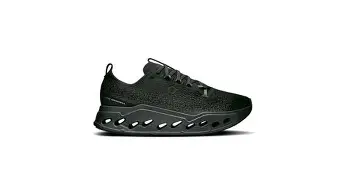
Upper and comfort
The mesh upper is breathable and well-stitched. I liked how the material conformed to my foot after a few runs—no hotspots. However, the tongue's attachment could be improved; it has a partial gusset but still shifted slightly when I tightened the laces aggressively. A minor annoyance: the lacing loop/keeper is small, and on a couple of runs I had to tuck the laces twice to stop them from loosening mid-run.
Outsole and traction
The outsole pattern is designed primarily for road use and handled wet pavement better than I expected. I did two rainy runs where…Durability
Durability has been decent so far. I logged about three months of varied use—treadmill, pavement, and light park paths—and the stitching and upper material held up. The midsole shows slight compression in the forefoot after sustained quicker efforts, but I wouldn't call it breakdown. Expect a replacement window similar to most cushioned trainers: roughly 350–450 miles depending on how and where you run.
Weight and stack
In my size the shoe felt like a “max cushion” but didn’t feel overly heavy; it’s noticeable compared to a lightweight racer but not cumbersome. The stack height is generous enough to protect joints on long runs yet low enough that I still felt connected to the road.
Noise and other quirks
Minor and mostly cosmetic: the shoe squeaked a couple of times early on in damp conditions—probably the midsole compression against the outsole. That stopped after a couple of runs. Also, the reflective detailing is subtle; great if you like low-profile visibility features, but not highly reflective for dark runs.
Looking for the best Electronics deals on Amazon?
Shop Amazon →How the Cloudsurfer Max performed across run types
- Easy/recovery runs: Excellent. The cushioning really shines here—my legs felt fresher on consecutive easy days.
- Long runs (10–20 miles): Very good. Comfort and impact protection were strong points; I did a 15-mile long run with minimal fatigue from footstrike.
- Tempo workouts: Decent. The shoe kept up at moderate tempos, but I missed a snappier toe-off for true threshold efforts.
- Intervals/speedwork: Acceptable for short intervals, but I preferred a lighter, more responsive shoe for track or fast reps.
- Treadmill: Comfortable and stable—no unexpected slipping and cushioning felt consistent.
- Wet roads: Better than average—traction felt secure at regular paces, though I still took corners more cautiously than usual.
Pros & Cons
- Pros:
- Exceptionally comfortable midsole for recovery and long runs
- Secure heel lockdown with minimal heel slip
- Breathable upper that molds to the foot after a few runs
- Good wet-weather traction for a road shoe
- Solid overall durability for everyday training
- Cons:
- Toe box runs a bit narrow—tight for wide feet on long runs
- Not very responsive for fast tempo workouts or racing
- Tongue and lace keeper could be better designed for lockdown
- Minor midsole compression after sustained faster miles
Comparison table: How the Cloudsurfer Max stacks up (my experience)
| Feature | Cloudsurfer Max (this review) | My previous daily trainer | Lightweight racer/tempo shoe |
|---|---|---|---|
| Primary use | Daily training / long recovery runs | All-around daily miles | Intervals, races |
| Cushion level | High, plush | Moderate | Low to moderate |
| Responsiveness | Medium-low (comfort-forward) | Medium | High |
| Toe box | Moderate, slightly narrow | Roomier | Narrow |
| Durability (real-world) | Good through ~300 miles | Good | Lower (lightweight materials) |
| Best for | Recoveries, long easy miles, everyday comfort | Versatile training | Tempo, races, speedwork |
Buying guide: Who should consider the Cloudsurfer Max?
In my experience the Cloudsurfer Max is best for runners who prioritize comfort and joint protection over pure speed. Here are some concrete recommendations and tips based on how I used them:
Choose the Cloudsurfer Max if:
- You're building weekly mileage and want a shoe that reduces impact on recovery days.
- You do lots of easy and medium-paced runs and want plush cushioning without extreme bulk.
- You prefer a secure heel fit and like a breathable upper that conforms to the foot.
- Durability for everyday training is more important to you than a razor-sharp ride for intervals.
Maybe skip it if:
- You have wide forefeet and don’t want to size up—consider trying before buying or test a half-size up if ordering online.
- Your primary focus is tempo workouts, racing, or fast intervals where responsiveness and propulsion are critical.
- You spend most runs on technical trails—this is a road-focused trainer.
Sizing and fit tips
- Try your normal running size first; I found the length true to size but the toe box a touch narrow.
- Wear the socks you typically train in when trying them on—this affects fit noticeably on longer runs.
- Do a short test run (5–10 minutes) if possible; the upper settles in after a couple of runs, but any persistent pressure in the forefoot will become uncomfortable on long miles.
Care and maintenance
- Let them air dry after wet runs; avoid direct heat to protect the midsole foam.
- Rotate with another trainer if you run many miles per week—this extends midsole life and keeps cushioning more consistent.
- Inspect the outsole every 100 miles to track wear; replace when the tread becomes visibly flattened in contact zones.
Real-world anecdote: a 15-mile test
To give a practical example, I took the Cloudsurfer Max on a 15-mile route with rolling hills and mixed pavement. Around mile 10 I expected my feet to start feeling the load, but the softer midsole made the last five miles surprisingly comfortable. I did notice some slight forefoot tightness around mile 12 that I hadn't felt on my shorter runs, which reinforced my belief that people with wider feet should double-check the fit. Post-run my calves and knees felt less sore than after similar long runs in a lower-cushion trainer. That comfort trade-off—comfort at the cost of some responsiveness—is exactly what I experienced repeatedly over three months.
Final thoughts and who I’d recommend it to
After three months and roughly 250–300 miles, the Cloudsurfer Max has become my preferred shoe for long easy days and recovery weeks. In my experience it reduces perceived impact and keeps my legs fresher for consecutive run days. I was pleasantly surprised by the wet traction and how the shoe maintained structure under regular weekday training. On the flip side, the slightly narrow toe box and less responsive ride at speed are genuine limitations for some runners.
If you want a comfortable, durable everyday trainer that emphasizes cushioning and leg preservation, the Cloudsurfer Max is a strong contender. If you need a single shoe to cover racing, tempo efforts, and track repeats, you’ll probably want to pair it with a lighter, more responsive option. For me, it comfortably earned a spot in the rotation—especially for the long, easy miles that make up the bulk of my weekly training.
Conclusion
In my experience, the Cloudsurfer Max is a thoughtfully designed cushioned trainer that delivers on comfort and durability. It’s not perfect—expect some fit considerations and a less lively feel at faster paces—but for everyday mileage and recovery-focused training it does exactly what I wanted: keeps my legs feeling fresher and makes longer runs noticeably kinder on my joints. If that sounds like what you need, it’s worth trying on or testing for a few easy runs to see how it fits your foot and training style.